Natural home remedies: Body odour
 Updated: Jun. 23, 2009




It’s natural’and healthy’to sweat, but no one wants to smell that way all day. Learn about home remedies that will help reduce body odour and find out when you should visit your doctor
Source: Adapted from 1,801 Home Remedies, Reader’s Digest
Body odour starts with certain types of sweat. Eccrine glands pour out clear, neutral-smelling sweat, which cools your body as it evaporates. Apocrine glands, concentrated in your underarms and genitals, secrete a substance that bacteria feast upon, causing strong odours. Stress, ovulation, sexual excitement and anger can cause apocrine glands to kick into high gear. Some diseases cause the body to produce particular odours, and so do drugs such as venlafaxine (Effexor) and bupropion (Wellbutrin).
Natural remedies for body odour
‘ Wipe rubbing alcohol, vinegar or hydrogen peroxide onto your underarms during the day to cut down the numbers of odour-causing bacteria.
‘ Dab on witch hazel. You can splash it directly on your skin or apply it as often as necessary with a cotton pad. The clear, clean-smelling liquid has drying and deodorizing properties.
‘ Dust baking soda or cornstarch on any odour-troubled part of your body. Both of these powders absorb moisture, and baking soda also kills odour-causing bacteria.
‘ Shave regularly under your arms. Underarm hair can increase body odour because it traps sweat and bacteria.
‘ Apply tea-tree oil to problem areas, as long as it doesn’t irritate your skin. This oil, from an Australian tree, kills bacteria and also has a pleasant scent.
‘ Essential oils of lavender, pine and peppermint fight bacteria. They also smell nice. Since some people have a skin reaction to certain oils, test the underarm area or a small patch of skin before using.
‘ Delightfully fragrant, sage can fight bacteria and reduce perspiration. You can purchase a solution of sage tincture or diluted sage oil, or brew some sage tea that you cool and store in a bottle. Any of these liquids can be used in the underarm area, but not around the genitals. And after using sage, wash your hands before touching your face.
‘ A citrus fruit like lemon changes the pH level of your skin, making it more acidic. All bacteria, including the odour-causing kinds, have a hard time surviving in a highly acidic environment. Just rub on some lemon and pat dry.
Eat the right foods to counteract body odour
‘ Eat plenty of spinach, chard and kale. Green, leafy vegetables are rich in chlorophyll, which has a powerful deodorizing effect in your body.
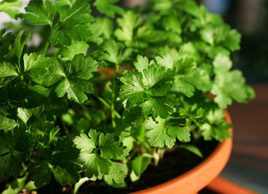
‘ Have a few sprigs of parsley, credited with anti-odour properties. Or make parsley tea by steeping a teaspoon of chopped fresh parsley in a cup of boiling water for five minutes. Let it cool a bit before you drink it.
‘ Try wheatgrass juice, sold in health-food stores. Warning: It has a very strong taste, and some people feel nauseated the first time they try it. You might want to start with just 2 Tbsp (30 mL) of wheatgrass juice in 3/4 cup (200 mL) of water, then increase the proportion of juice in subsequent tastings. On first tasting, it’s wise to try this drink on an empty stomach just in case your stomach overreacts.
‘ Buy tablets containing chlorophyll. Many brands are available, made from plants like kelp, barley grass, and blue-green algae. Check the label for the dosage recommendation.
When to see your doctor
If you’re sweating frequently or heavily, you could have an overactive thyroid gland, low blood sugar or a problem with the part of the nervous system that controls sweating. If you think you’re sweating too much or you may have a medical condition causing your body odour, see your doctor. And if you’re taking a prescription medication that might be contributing to excessive odour, ask your doctor about switching to another drug.
Don’t miss out! Sign up for our free weekly newsletters and get nutritious recipes, healthy weight-loss tips, easy ways to stay in shape and all the health news you need, delivered straight to your inbox.