5 diets that don’t work
 Updated: Jul. 16, 2019




From South Beach to the Master Cleanse, diets that help you drop pounds in a hurry may seem appealing’but will set you up for failure. Here are five quick-fix diets that don’t work
For anyone who has ever struggled with their weight, there is always a new diet readily available, offering quick results. But what many don’t realize is that these fad diets are often just quick fixes that don’t set the dieter up for long-term success. Thus begins the wicked pendulum swing of yo-yo dieting. ‘Diets that don’t target an individual’s eating habits and behaviour and give them the tools to change, that by definition is an unfair approach and an unfair diet,’ says Dr. David Macklin, a family physician as well as the founder and president of Weightcare, a company that tailors weight-loss programs for clients using a multi-disciplinary approach.
One commonality many of these fad diets share is that they don’t focus on long-term change. ‘People want a quick fix and easy strategies for weight loss, and worry about changing their habits later,’ says Toronto-based registered dietitian Stefanie Senior.
As you start to delve into diets both new and old, most fall into one of five categories: very low-calories diets (VLCDs), low-carb diets, cleanses, delivery diets and supplements. Here’s a breakdown of each of these diets to help you understand why they don’t work.
1. Very-low-calorie diets (VLCDs)
VLCDs are diets that only let you consume 500 to 800 calories a day. According to Macklin, they take advantage of a unique mechanism built into humans that is based upon a million years of evolution. This mechanism allows us to shed muscle and fat and turn down the amount of energy we’re using to survive an upcoming famine.
Why they don’t work: The weight may come off quickly, but the problem is our metabolism is driven down by not eating enough food and thus our eating habits are made stronger. Instead of regaining muscle and fat, you just regain the fat. ‘A lot of these fad diets set you up for failure,’ says Senior. "As a dietitian, there are certain elements that you recognize there is no way anybody could stick to," she says.
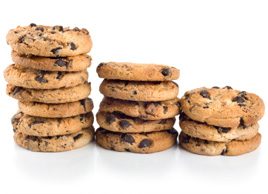
Examples of VLCDs: The Cabbage Soup Diet, the Grapefruit Diet, the Cookie Diet
2. Low-carb diets
Low-carbohydrate diets restrict foods high in digestible carbs, such as breads and pasta. As Macklin explains, low-carb diets put the body into a state called ketosis, which is how our body breaks down muscle and protein and uses it as fuel. The reason people lose is weight is that entering into ketosis is a strong appetite suppressant and food choices are very restricted’you also lose a large amount of water weight in those first days. ‘A healthy rate of weight loss would be one to two pounds per week,’ says Senior.
Why they don’t work: Low-carb and low-calorie diets are pretty similar as they both deny the body the same types of food. It’s a hook that’s meant to give an initial rush of excitement that is based on water loss, says Macklin.
Examples of low-carb diets: The Atkins Diet, the South Beach diet
3. Cleanses
We’ve all heard about how Beyonce used the Master Cleanse to shed pounds quickly while filming Dream Girls. But most cleanses are comprised of liquid-based diets that were created to detoxify the body‘not to be quick weight-loss solutions.
Why they don’t work: This is another quick fix that doesn’t set you up for long-term success. Weight loss is a process and people should be encouraged to make small, achievable goals instead of drastic changes, warns Senior.
Examples of cleanses: The Master Cleanse/The Lemonade Diet, The Martha’s Vineyard Diet Detox
4. Delivery diets
Diets that preach portion control and that have a service in place to deliver your meals’or that sell special foods’are initially successful because they take away choice, which, as Macklin explains, is a habit-based process. ‘If you take away choice, it’s a very powerful and effective method of creating temporary weight loss.’
Why they don’t work: The danger here is that when the food stops being provided, the dieter has not developed the skills necessary to prevent weight loss over the long term. As the saying goes, ‘old habits die hard,’ and the dieter may simply return to their previous, unhealthy eating habits.
Examples of delivery diets: Jenny Craig, NutriSystem
5. Supplement-based diets
While many people use natural supplements to boost vitamin or mineral deficiencies, there are supplement-based diets that provide pills which are meant to boost your metabolism or suppress your appetite. ‘There’s a very strong case to be said about supplements being provided to people under the guise of helping them to lose weight,’ warns Macklin.
Why they don’t work: Because health claims can be made in Canada with unsubstantiated medical evidence, Canadians will be subject to health supplements that haven’t gone through a level of rigourous testing for safety and effectiveness, says Macklin. ‘I can’t recommend that type of approach.’
Examples of supplement-based diets: Herbal Magic, Hydroxycut
So, how should you lose the weight?
The main thread that ties all these different types of diets together is the fact that while they may provide quick, rapid weight loss, they are only short-term solutions. ‘Studies have shown when people lose weight very fast, they’re more likely to put it back on fast,’ says Senior, who is the clinical dietitian educator and coordinator of the Steps to Less program at St. Michael’s Hospital in Toronto. This is what creates that inevitable yo-yo of feeling success and then failure.
Senior’s program brings together the services of a registered dietitian, a psychotherapist, a certified yoga instructor, a certified fitness consultant and an executive chef. ‘Our whole philosophy is we take a step-by-step approach to weight loss,’ she says. Over 12 weeks, these professionals help clients tailor and develop a weight loss plan that works for them. ‘The people who are willing to put in the work and put in long-term behaviour changes are successful,’ says Senior.
Macklin’s company also assembles healthcare professionals to help clients set reasonable goals and support those changes over time. This is the future of weight loss, he says.
One of the biggest challenges people have when dealing with weight loss is breaking bad habits, says Macklin, who likens sugar and fat dependency to heroin and cocaine addiction. ‘One reason people have difficulty breaking unhealthy eating habits is because it’s really difficult to do’they’ve been taking it in all their lives.’ This makes the habit very powerful and rewarding, but difficult to change, he says.
Both Senior and Macklin emphasize the three keys to weight loss are eating a healthy, balanced diet, getting a decent amount of exercise and focusing on identifying and changing negative eating patterns, step by step.
Don’t miss out! Sign up for our free weekly newsletters and get nutritious recipes, healthy weight-loss tips, easy ways to stay in shape and all the health news you need, delivered straight to your inbox.