Digestive Disorders
 Updated: Mar. 19, 2009




Damage to the liver, pancreas, or intestinal lining can cause painful disruptions of digestion and, ultimately, nutritional problems.
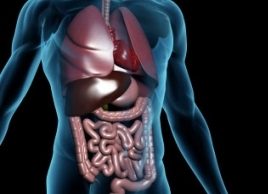
Source: Adapted from Family Medical Adviser, Reader’s Digest
What are digestive disorders?
The most common cause of disruption to digestion and the absorption of nutrients is damage to the lining of the intestine or another part of the digestive tract. Some common digestive disorders:
Gastroenteritis is inflammation of the lining of the stomach and intestines. It leads to vomiting and diarrhea, usually with abdominal cramps and colicky pains, a slightly raised temperature and perspiration. Traces of blood are sometimes found in vomit or stools. It is caused by bacterial or virus infection, usually from half-cooked or reheated food.
Gastritis is irritation of the stomach lining. It may be either acute (caused by something a person has eaten or drunk) or chronic (long-term and not linked to a specific incident). It also causes pain in the upper abdomen, nausea, vomiting and diarrhea.
Ileitis, also known as Crohn’s disease, is inflammation of the lower part of the small intestine. The cause is not known. Parts of the intestinal wall thicken and infection or ulcers may develop. It causes chronic diarrhea, which is associated with poor appetite, fever, weight loss and abdominal pain. Sometimes ileitis may be mistaken for acute appendicitis.
Colitis is long-term inflammation of the colon (large intestine), which causes ulcers to form. It can cause frequent bloody diarrhea, with fever, poor appetite, loss of weight and anaemia.
Symptoms of digestive disorders
The general symptoms of mild digestive disorders are familiar to us all – abdominal pain, loss of appetite, heartburn, indigestion, diarrhea, constipation, nausea, vomiting and flatulence. More serious ones include blood in the vomit or stools, weight loss and yellow skin or eyes.
Treatment for digestive disorders
See your doctor if there is a large amount of blood in vomit or motions, if you or a person for whom you are caring suffers prolonged or severe vomiting withabdominal pain or diarrhea or if you notice a rapid deterioration in a baby or elderly person who is vomiting or has diarrhea.