Do you need to go gluten-free?
 Updated: Jul. 16, 2019




Holistic nutritionist Joy McCarthy on the benefits of a gluten-free diet, and if it’s right for you
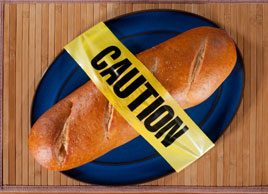
Source: Best Health Magazine, November 2012
No longer are you stuck with eating rice cakes if you can’t eat gluten. Gluten-free fare has gone mainstream. This is good news, since some six percent of the population has gluten sensitivity. As for celiac disease, it’s far less common, affecting one in 133 Canadians, according to the Canadian Celiac Association (CCA). What’s the difference between celiac disease and gluten sensitivity?
Celiac Disease
For those with this condition, ingesting even the smallest amount of gluten sets off an autoimmune reaction in the small intestine. Over time, this damages the intestinal lining, inhibiting the absorption of nutrients including carbohydrates, fat, protein, vitamins and minerals, and can lead to serious health problems, including osteoporosis, infertility and even neurological conditions. But don’t self-diagnose, advises the CCA; this condition needs to be confirmed through testing for specific levels of certain autoantibodies (proteins that react against the body’s own cells or tissues) in the blood. A positive blood test is then confirmed by intestinal biopsy.
Gluten Sensitivity
Also known as gluten intolerance, and often mistaken for a food allergy, this condition is less severe than celiac disease. For those who have it, regular consumption of gluten can cause symptoms such as abdominal pain, fatigue, headaches and tingling in the extremities. This happens because the gut can’t properly break down and digest gluten. Many of my clients who have removed gluten from their diet due to a suspected sensitivity have reported loss of excess weight, increased energy and improvement in skin problems such as acne and eczema.
While I’m not a medical doctor, once a diagnosis of celiac disease or gluten sensitivity is made, holistic nutritionists such as myself are trained to assist clients with building a healthy meal plan to ensure adequate fibre and nutrient intake so they can avoid a gluten-free diet that relies on junk food.
The main sources of gluten, says the CCA, is any food with protein from wheat, barley or rye. Avoiding them may seem overwhelming, given that the majority of baked goods and pastas contain gluten, and even foods such as seasonings, soup mixes and gravy may contain gluten. But many stores now carry a variety of grains and products that can be used instead, such as quinoa flour, buckwheat, almond meal, ground millet and brown rice flour. (You can find a list of foods to avoid, and foods to eat, at celiac.ca.)
Choose whole foods that are not stripped of fibre; chia seeds, quinoa and millet are excellent options. Remember, just because something is labelled gluten-free doesn’t mean it’s healthy. Many products that are gluten-free are made with refined flours, such as white rice flour, and have little nutrition.
And eat simply; I advocate choosing naturally gluten-free foods, as opposed to those with a long list of ingredients.
*Try Joy’s recipe for Gluten-Free Banana Bread.
Joy McCarthy is owner of Joyous Health (joyoushealth.ca). She’s a writer and speaker, and a holistic nutrition and lifestyle expert on Global TV’s The Morning Show. She’s a spokesperson for the Canadian Health Food Association.
This article was originally titled “Do you need to go gluten-free?” in the November 2012 issue of Best Health. Subscribe today to get the full Best Health experience’and never miss an issue!